Michigan Roofing Contractor Guide
How Can You Tell a Good Roofer? 12 Signs to Look For
A good roofer should be able to explain what your roof needs, provide a clear scope of work, answer questions about materials and warranties, show evidence of their business credentials, and give you enough information to compare the proposal without pressuring you into a decision.
Whether you need roof repair or a complete roof replacement, this guide explains how to evaluate a roofing contractor before you sign a contract—and which warning signs should make you look more closely.
What Makes a Good Roofing Contractor?
A good roofing contractor combines professional business practices, roofing knowledge, clear communication, quality installation practices, appropriate insurance and credentials, transparent estimates, and a process for inspecting the completed work.
The key: Do not judge a roofer on price alone. Compare what is actually included in the roofing system, how the contractor communicates, the materials being proposed, warranty information, project oversight, and what happens if a problem is discovered during construction.
12 Signs You Are Talking to a Good Roofer
No single characteristic guarantees the quality of a roofing company. Instead, look for several indicators that show how the contractor approaches your roof, your property, and the project as a whole.
1. They Inspect the Roof Before Recommending a Solution
A contractor should understand the condition of your existing roof before recommending a repair or replacement. That means looking beyond the most obvious damaged shingle or visible leak.
A roofing evaluation may consider shingles, flashing, roof penetrations, ventilation, visible deterioration, storm damage and other accessible components of the roofing system. If replacement is being considered, the condition beneath the existing roofing may also become important once materials are removed.
Be cautious when someone recommends an expensive solution without first gathering enough information to explain why it is necessary.
2. They Can Explain Whether You Need Roof Repair or Replacement
Not every roofing problem requires a new roof. Localized damage may sometimes be repairable, while widespread deterioration, recurring leaks, extensive storm damage or an aging roofing system may make replacement a more practical option.
A good roofer should be able to explain what was found and why the recommended scope makes sense. If you are being told you need a complete replacement, ask what specifically makes repair insufficient.
Homeowners considering replacement can learn more about Sterling’s roof replacement services or explore our broader residential roofing services.
3. They Provide a Clear, Written Roofing Estimate
A roofing estimate should give you enough information to understand what you are buying. A single price with little explanation makes it difficult to compare one contractor with another.
Depending on the project, a proposal may address the roofing materials, removal of existing roofing, underlayment, flashing, ventilation, disposal, cleanup, warranties and other work included in the scope.
When comparing estimates, compare scope to scope rather than simply comparing the number at the bottom of each proposal.
4. They Are Willing to Discuss Insurance, Licensing and Business Credentials
Before hiring a roofing contractor, ask about the credentials applicable to the work being performed and request current information when appropriate. A professional contractor should not become evasive when a homeowner asks reasonable questions about the company performing work on the property.
Also make sure you know exactly which company is named on the proposal and who will be responsible for your project.
5. They Explain the Roofing System, Not Just the Shingles
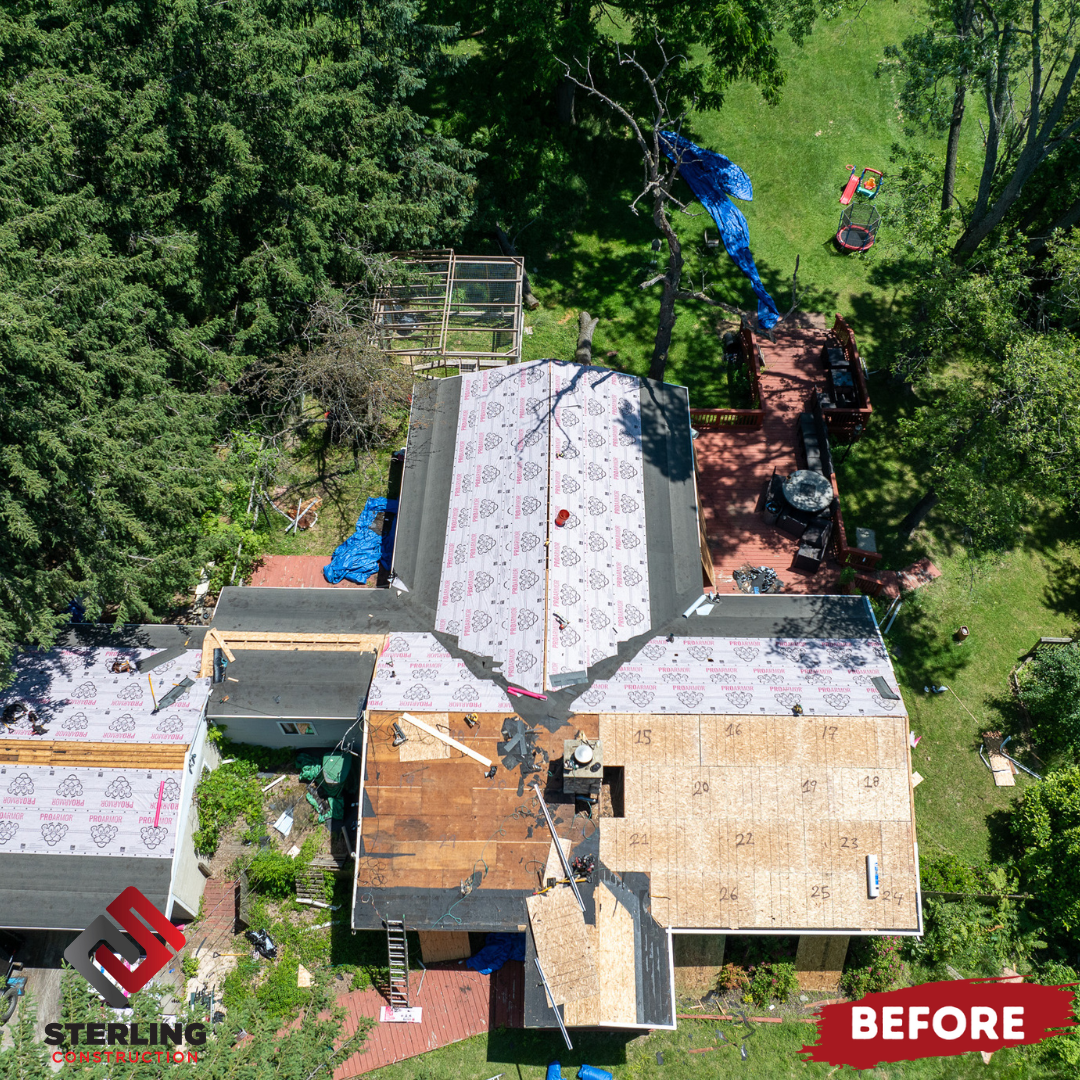
Shingles are the most visible part of many residential roofs, but they are not the entire roofing system. A replacement project can also involve roof decking, underlayment, ice and water protection, starter shingles, flashing, ventilation, ridge components and other details.
A knowledgeable roofing contractor should be able to explain which components apply to your project and how those components work together to protect the home.
6. They Can Explain the Roofing Materials They Recommend
A good roofer should be able to discuss why a particular roofing material or system is appropriate instead of simply telling you that one product is “the best.”
For residential roofing, that conversation may include asphalt shingle style, roofing-system components, color, ventilation and warranty options. Commercial properties may require an entirely different discussion involving systems such as TPO, EPDM or modified bitumen.
The recommendation should fit the building rather than forcing every customer into the same solution.
7. They Explain Warranty Coverage Clearly
Ask what warranty coverage applies to the proposed roofing system and who is responsible for each type of coverage.
Roofing projects can involve manufacturer material warranties as well as contractor-related workmanship terms. Those are not necessarily the same thing. Before signing, understand the applicable terms, exclusions, registration requirements and documentation for your specific project.
8. Their Reviews Show a Pattern, Not Just One Great Testimonial
Online reviews can provide useful context, but look beyond the average rating. Read what customers actually say about communication, scheduling, cleanup, problem resolution, professionalism and the completed work.
Pay particular attention to patterns. Several detailed reviews describing similar experiences are generally more informative than one unusually positive or unusually negative comment.
9. They Can Show Relevant Roofing Work
Completed-project photos can help you evaluate the type of roofing work a contractor performs. Look for projects relevant to your needs rather than relying entirely on generic marketing images.
If you are replacing an asphalt shingle roof on a house, residential roofing examples are more useful than unrelated construction projects. If you own a commercial building, ask about experience with the type of commercial roofing system involved.
10. They Have a Plan for Protecting and Cleaning the Property
Roof replacement involves removing and installing a significant amount of material above your home. Ask how the contractor approaches debris, cleanup, landscaping, driveways, access and the final jobsite review.
The completed roof matters, but so does the condition in which the contractor leaves the property.
11. They Communicate Clearly Before the Contract Is Signed
Pay attention to communication during the estimate process. Are questions answered? Is the proposed scope understandable? Do you know who to contact? Are next steps explained?
Good communication before a project begins does not guarantee that nothing unexpected will happen, but it gives you insight into how the company approaches customer communication and project organization.
12. They Do Not Pressure You to Make an Immediate Decision
A roofing problem can be stressful, particularly after a storm or when water is entering the home. That urgency should not prevent you from understanding what you are agreeing to.
Be cautious of unnecessary pressure, vague promises, unexplained discounts that disappear immediately, or demands that you sign before you have had a reasonable opportunity to review the proposal.
Quick Checklist: What Should You Look for in a Roofer?
Before the Estimate
- Established business identity
- Appropriate credentials
- Insurance information
- Relevant roofing experience
- Real project examples
- Customer reviews
During the Estimate
- Roof inspection
- Clear explanation of findings
- Repair vs. replacement discussion
- Material options
- Detailed scope of work
- Opportunity to ask questions
Before Signing
- Written proposal
- Defined project scope
- Warranty information
- Payment terms
- Project expectations
- Cleanup and inspection process
What Questions Should You Ask a Roofer Before Hiring Them?
A contractor’s answers can be just as useful as the questions themselves. You should feel comfortable asking for clarification before agreeing to a roofing project.
- What did you find during the roof inspection?
- Does my roof need repair or replacement, and why?
- What exactly is included in this estimate?
- What roofing system and materials are you recommending?
- Will the existing roofing be removed?
- How will damaged roof decking be handled if it is discovered?
- How will flashing and ventilation be addressed?
- What warranties apply to the project?
- How will my property be protected during construction?
- Who will be my contact during the project?
- What happens if additional work is discovered?
- How is the completed roof inspected?
A professional roofing contractor should be able to address relevant questions or explain when an answer depends on conditions that cannot be confirmed until work begins.
What Are the Red Flags of a Bad Roofer?
One warning sign does not automatically prove a contractor will perform poor work, but several red flags together should give you a reason to investigate further before signing.
Vague Estimates
A price without enough information about materials and scope makes meaningful comparison difficult.
High-Pressure Sales
Be cautious when reasonable questions are replaced with pressure to sign immediately.
Unclear Business Identity
You should know which company you are hiring and who is responsible for the work.
No Inspection
Major recommendations made without evaluating the roof deserve additional questions.
Unclear Warranty Claims
Ask for the applicable warranty information rather than relying on broad verbal promises.
Price Is the Only Selling Point
A lower number is not necessarily a better value if important parts of the roofing scope are different or missing.
Should You Get Multiple Roofing Estimates?
Getting more than one roofing estimate can be useful when the project is not an emergency. Multiple proposals can help you understand differences in recommendations, materials, project scope and pricing.
However, three roofing estimates are not necessarily three estimates for the same project.
One contractor may include a different shingle system, underlayment, flashing work, ventilation, cleanup process or warranty option than another. One proposal may anticipate removing the existing roof while another may describe a different scope.
Before deciding which roofer offers the best value, make sure you understand what each contractor is actually proposing.
How Do You Compare Two Roofing Quotes?
Put the proposals side by side and compare the scope—not just the total price.
Compare the Roofing System
- Shingles or roof covering
- Underlayment
- Ice and water protection
- Flashing
- Ventilation
- Ridge and starter components
Compare the Project Scope
- Tear-off and disposal
- Decking provisions
- Property protection
- Cleanup
- Inspection process
- Change procedures
Compare the Company
- Credentials
- Insurance
- Communication
- Reviews
- Relevant projects
- Warranty information
Does the Cheapest Roofing Quote Mean It Is a Bad Roofer?
No. Price alone cannot tell you whether a roofer is good or bad. Contractors can legitimately have different costs, suppliers, crews, overhead, scheduling and approaches to a project.
The concern is when a substantially lower price comes with a substantially different or unclear scope.
Ask what materials are included, whether existing roofing is being removed, how flashing and ventilation are handled, what happens if damaged decking is discovered, what warranty applies and how cleanup is addressed.
A roofing quote only becomes meaningful when you understand what the price includes.
Choosing a Roofer in Southeast Michigan
Michigan roofing systems face changing conditions throughout the year, including heat, rain, wind, snow, ice and repeated freeze-thaw cycles. A roofing contractor working in Southeast Michigan should understand how the complete roof system helps manage those conditions.
Sterling Construction & Roofing is based in Livonia and serves homeowners and property owners throughout Metro Detroit and Southeast Michigan, including communities across Wayne, Oakland, Macomb, Washtenaw, Livingston and St. Clair counties.
How to Choose a Good Roofer: Frequently Asked Questions
How Can You Tell If a Roofer Is Good?
Look for a roofing contractor who inspects the roof, explains what they find, provides a clear written scope, discusses materials and warranties, answers questions about credentials and insurance, communicates professionally and can show relevant customer reviews or completed roofing work.
What Are the Biggest Red Flags When Hiring a Roofer?
Potential red flags include high-pressure sales tactics, vague estimates, unclear business information, unwillingness to discuss credentials or insurance, major recommendations without a roof inspection, unclear warranty promises and an inability to explain what is included in the proposed roofing system.
What Questions Should I Ask a Roofing Contractor?
Ask what the contractor found during the inspection, whether repair or replacement is recommended, what materials are included, how flashing and ventilation will be addressed, how unexpected decking damage is handled, what warranties apply, how the property will be protected and how the finished project will be inspected.
Should I Get Two or Three Roofing Quotes?
Multiple estimates can help you compare recommendations, materials, scope and pricing when time allows. The important part is comparing equivalent scopes rather than automatically selecting the lowest total price.
Should I Choose the Cheapest Roofer?
Not based on price alone. A lower estimate can represent good value, but first determine whether it includes the same materials, roofing components, tear-off work, flashing, ventilation, cleanup, warranties and other project requirements as competing estimates.
How Do I Know If I Need Roof Repair or Roof Replacement?
Localized damage may sometimes be repairable, while widespread deterioration, recurring leaks, significant storm damage or repeated repairs can make replacement more appropriate. A roof inspection can help determine the condition of the overall roofing system.
How Do I Verify a Roofer Before Hiring Them?
Confirm the business you are hiring, review applicable credentials and insurance information, read customer reviews, examine relevant project examples, review the written proposal and ask for clarification about anything you do not understand before signing.
What Should Be Included in a Roofing Estimate?
The appropriate scope depends on the project, but a useful roofing estimate should provide enough detail to understand the proposed work, materials, removal or installation requirements, applicable roofing components, cleanup, warranty information and payment expectations.
Looking for a Roofing Contractor in Southeast Michigan?
If you are comparing roofers, dealing with a leak, evaluating storm damage or considering a residential roof replacement, Sterling Construction & Roofing can inspect your roofing needs and explain the available options.
Tell us what you are seeing with your roof, where the property is located and what concerns you have. We can help you determine the appropriate next step.
Sterling Construction & Roofing | (248) 802-3900